

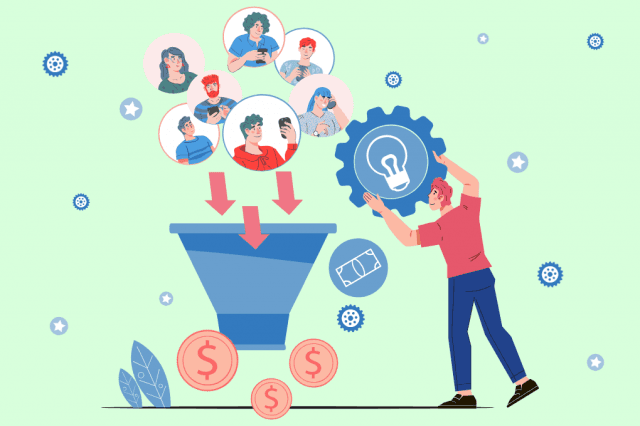
You've been investing time, money, and effort into lead nurturing, expecting a steady stream of conversions. But instead, your prospects remain unresponsive, email engagement is low, and your sales team keeps complaining about poor lead quality.
Sound familiar? You're not alone.
According to a report by MarketingSherpa, 79% of marketing leads never convert into sales, and poor lead nurturing is a major culprit. So, what's going wrong? And more importantly, how can you fix it?
In this blog, we'll break down the common reasons why lead nurturing strategies fail and provide actionable solutions to help you turn things around.
Signs Your Lead Nurturing Strategy Isn't Working
Before we dive into the mistakes, let's identify the warning signs that your lead nurturing efforts are falling flat:
- Low email open and click-through rates: If your emails are being ignored, your messaging or timing might be off.
- Leads are unresponsive or dropping off: If leads are engaging initially but going cold later, there's a disconnect somewhere.
- Poor conversion rates: If nurtured leads aren't progressing to sales, something needs to change.
- High unsubscribe rates: If people are opting out of your emails, your content might not be relevant or engaging enough.
- Sales team feedback: If your sales team says leads aren't qualified or interested, your lead nurturing process needs refinement.
If any of these sound familiar, let's explore why this happens and how to fix it.
Common Mistakes That Are Hurting Your Lead Nurturing Efforts
1. Lack of Personalization
Sending generic, one-size-fits-all emails won't cut it.
Studies show that personalized emails improve click-through rates by 14% and conversions by 10% (Aberdeen Group).
If your emails greet recipients with a bland "Dear Customer" and promote products they have no interest in—like sending a discount on baby products to someone without kids—you're not just being ignored; you're showing your audience that you don't understand them.
How to fix it:
- Segment your audience based on behavior, interests, and past interactions.
- Use personalized subject lines and content tailored to each lead's pain points.
- Address leads by name and reference their previous interactions where possible.
2. Sending the Wrong Content at the Wrong Time
Leads at different stages of the buyer's journey need different types of content. If you're pushing a sales-heavy pitch too early or sending generic blog posts to sales-ready leads, you're missing the mark.
How to fix it:
- Map your content strategy to the buyer's journey (awareness, consideration, decision).
- Provide educational content (guides, blogs, webinars) for early-stage leads and case studies or demos for later-stage leads.
- Use lead behavior to trigger appropriate content recommendations.
3. Poor Lead Scoring and Segmentation
Not all leads are equal. Some are ready to buy, while others are just browsing. Treating them the same, wastes time and resources.
How to fix it:
- Implement lead scoring based on engagement levels, actions taken, and demographics.
- Prioritize high-scoring leads for sales outreach while nurturing others with relevant content.
- Regularly refine your lead scoring criteria based on sales feedback and conversion data.
4. Ignoring Multi-Channel Engagement
Are you relying solely on email marketing? That might not be enough. Only 24% of sales emails are opened (TOPO), meaning most of your leads might never see your messages. This statistic underscores the challenges businesses face in engaging prospects through email marketing.
How to fix it:
- Use a multi-channel approach: email, social media, retargeting ads, SMS, and phone calls.
- Engage with leads on LinkedIn, comment on their posts, and offer valuable insights.
- Use retargeting ads to stay top-of-mind for website visitors.
5. Slow or No Follow-Ups
Did you know that 30% - 50% of sales go to the first vendor that responds (Spotio)? If your follow-ups are slow, leads will move on.
How to fix it:
- Automate follow-up emails and reminders using CRM tools.
- Set response time benchmarks for your sales team.
- Use a mix of email, phone, and LinkedIn to follow up in a timely manner.
6. Misalignment Between Sales and Marketing Teams
If your marketing team nurtures leads but sales doesn't think they're qualified, there's a problem.
How to fix it:
- Hold regular meetings between sales and marketing to discuss lead quality.
- Define clear lead qualification criteria and sales handoff processes.
- Use a shared CRM to track lead interactions and status updates.
- A telemarketing system bridges the gap between sales and marketing teams by providing real-time data, tracking lead interactions, and ensuring seamless communication, leading to more aligned strategies and higher conversion rates.
How to Improve Your Lead Nurturing Strategy for Better Conversions
Effective lead conversion tactics focus on timely follow-ups, personalized communication, and addressing customer pain points to turn prospects into loyal buyers.
1. Create Targeted Content for Different Buyer Personas
A case study by MarketingSherpa highlighted a company that implemented a targeted persona content marketing strategy, resulting in a 124% increase in sales leads.
How to do it:
- Develop content that speaks to different industries, job roles, and pain points.
- Use interactive content like quizzes or assessments to engage leads.
- Offer exclusive content (eBooks, whitepapers) in exchange for contact details.
2. Optimize Your Email Sequences for Engagement
If your emails aren't working, tweak them. A HubSpot study found that A/B testing emails can increase conversion rates by up to 49%.
How to do it:
- Test subject lines, email copy, and CTAs to see what resonates.
- Use conversational, value-driven emails instead of robotic templates.
- Keep emails concise with a clear action step.
3. Leverage Automation Without Losing the Human Touch
Automation is powerful, but don't let it replace real interactions.
How to do it:
- Use automation for reminders and follow-ups but personalize key touchpoints.
- Train sales reps to send personalized video messages to high-value leads.
- Use chatbots for initial queries but ensure human takeover when needed.
4. Implement Lead Scoring to Prioritize Sales-Ready Leads
Why waste time on cold leads when you can focus on those ready to buy?
How to do it:
- Assign scores based on email engagement, website visits, and demo requests.
- Passing high-scoring leads to sales immediately while nurturing the rest.
- Continuously update lead scoring based on sales outcomes.
5. Improve Sales and Marketing Alignment
When sales and marketing work together, revenue increases by 208% (MarketingProfs).
How to do it:
- Hold bi-weekly meetings to review lead performance.
- Use shared dashboards to track progress.
- Establish clear SLAs (service level agreements) between both teams.
Conclusion
A broken lead nurturing strategy isn't just frustrating, it's a missed opportunity to turn potential customers into loyal buyers. Without a well-structured approach, leads lose interest, move on to competitors, or simply fade away.
But the good news? You don't have to overhaul everything at once. Start by identifying the biggest weaknesses—maybe your follow-ups are too slow, your messaging isn't relevant, or your sales and marketing teams aren't working together effectively.
Fixing just one or two key areas can create an immediate impact, helping you engage leads more effectively and move them closer to a sale.
Lead nurturing is a continuous process, not a one-time effort. So, take action, refine your approach, and watch your efforts turn into stronger relationships, better engagement, and higher conversions.